Efficient Machine Learning · Vision-Language Models · 3D Scene Processing

Delyan Boychev

I am an Informatics student at Sofia University and an undergraduate research scholar at INSAIT, advised by Dr. Dimitar I. Dimitrov on efficient machine learning, and by Dr. Danda Paudel on vision-language models for remote sensing and 3D scene processing. Previously, I was a Quant ML intern at Man Group and an NLP research intern at Graphwise.

Outside research, I am interested in aviation safety and aircraft design, especially the Airbus A350. In my free time, I collect and build scale models of airliners and follow interesting aircraft on Flightradar24.

Sofia, Bulgaria

Portrait of Delyan Boychev

Current Research

INSAIT Dec. 2025 — Present

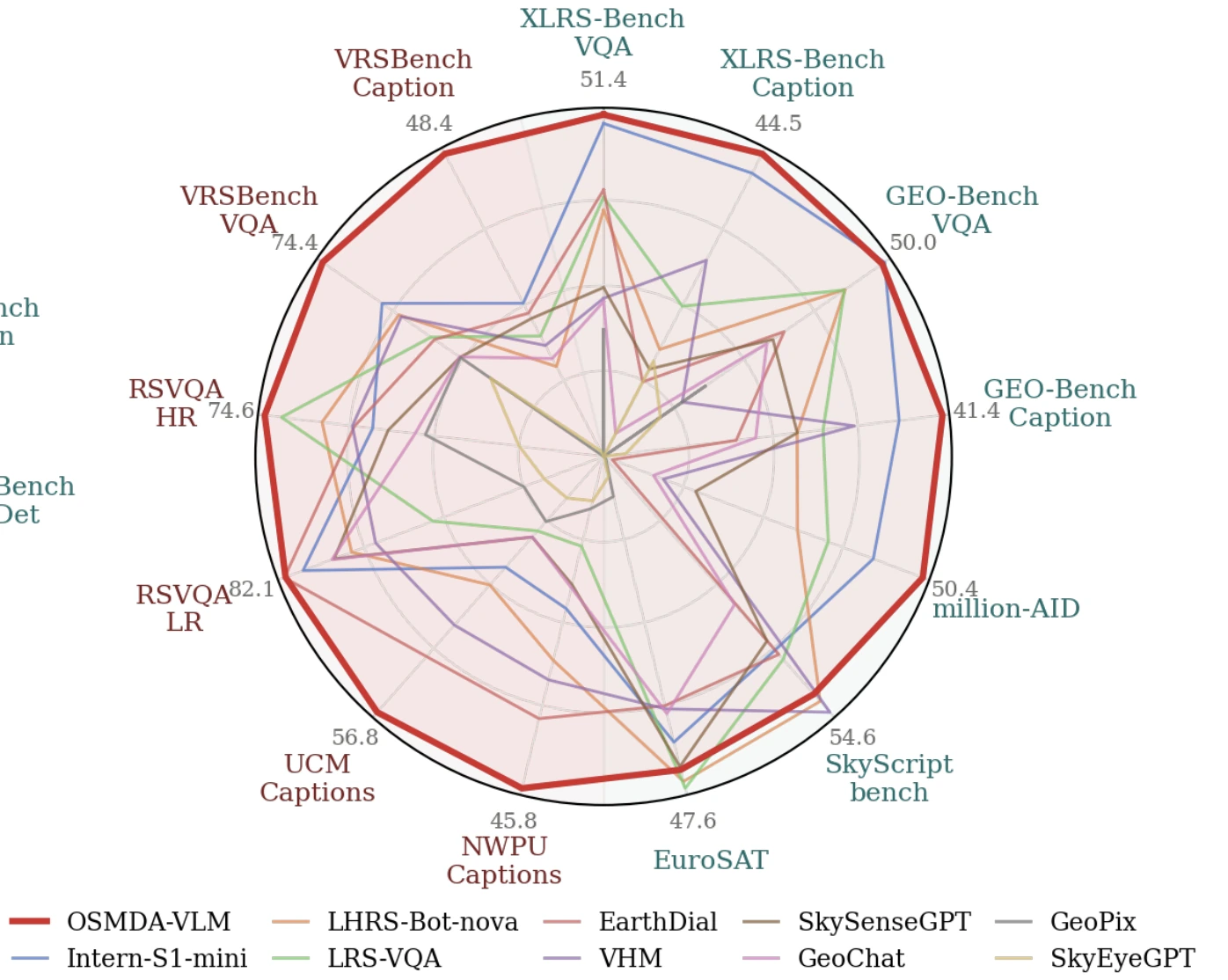
Vision-Language Models for Satellite Imagery Understanding

Adapting vision-language models to satellite imagery using scalable supervision derived from OpenStreetMap.

With Mario Markov, Stefan Maria Ailuro, and Mohammad Mahdi · Advised by Dr. Danda Paudel

INSAIT June 2025 — Present

3D Scene Processing

Data-efficient structured 3D scene understanding, building on SpatialLM with a Chorus-based 3D Gaussian encoder to lower training-data requirements.

With Runyi Yang · Advised by Dr. Danda Paudel

Experience

June 2025 — Present Bulgaria

National Committee Member & Lecturer

Bulgarian National Olympiad in AI

Member of the national committee organizing the Bulgarian National Olympiad in AI: writing competition tasks and running contests on LavBench.

July 2026 — Sept. 2026 Sofia, Bulgaria

NLP Research Intern

Graphwise

Worked on table entity reconciliation: matching entities across tabular records and linking them to a knowledge base.

July 2025 — Sept. 2025 Sofia, Bulgaria

Quant ML Intern

Man Group

Conducted Quant ML research, focusing on developing and evaluating machine-learning models for systematic trading and signal forecasting.

Publications

Google Scholar
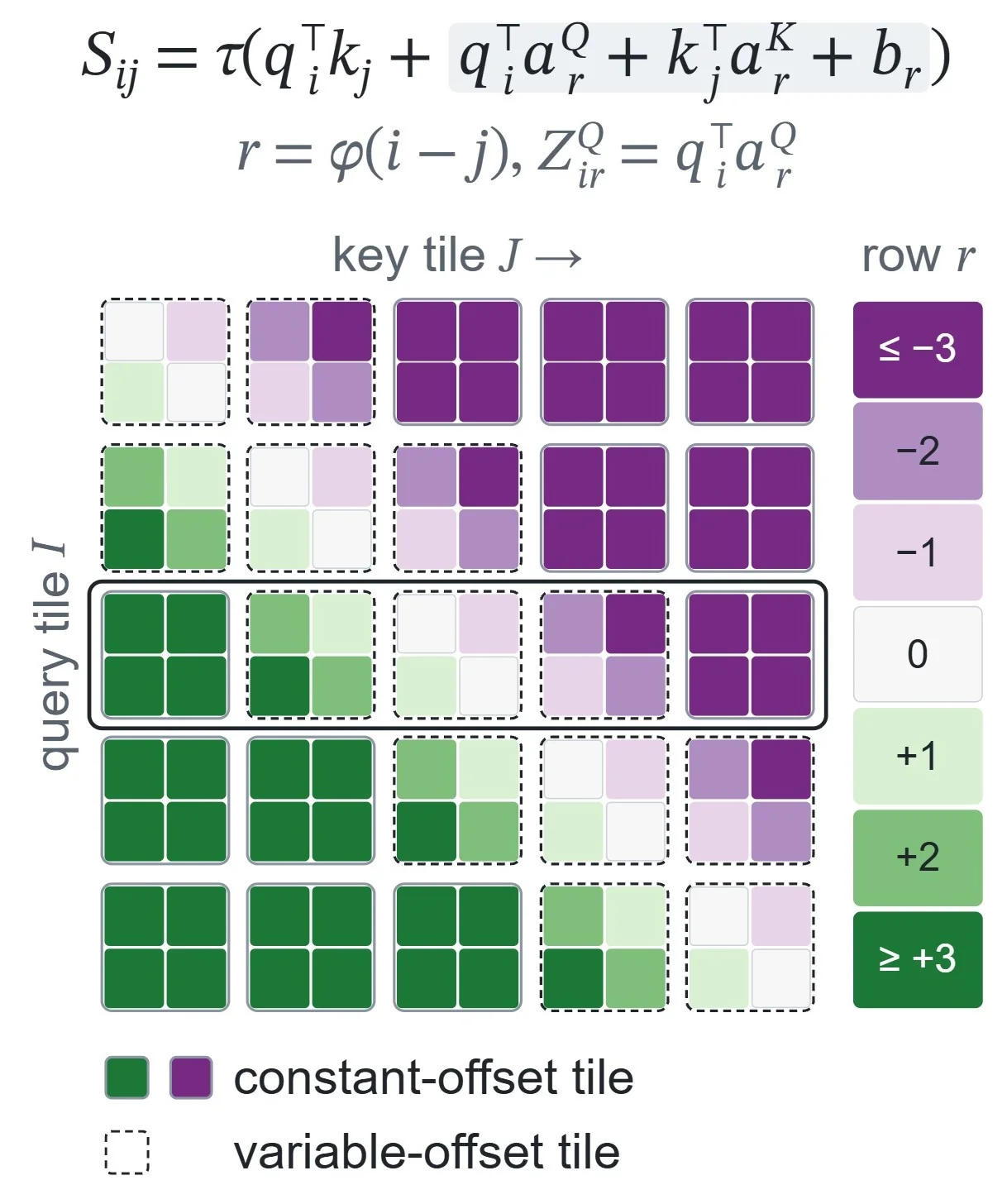
Relative-position attention tile grid with constant-offset tiles away from the diagonal and variable-offset tiles near it
2026 · Preprint · arXiv · Under review

Fast and Exact Relative-Position Attention via Structure-Aware Kernels

Delyan Boychev, Ivo Petrov, Dimitar I. Dimitrov

An exact FlashAttention-style tiled algorithm that brings additive relative-position attention (Shaw, Transformer-XL, DeBERTa, T5) into fused Triton kernels. It projects only reachable offsets, reuses relation entries across constant-offset tiles, and accumulates gradients by offset without atomics: up to 6.4× faster forward and 21× faster backward at 8K tokens.

Selected Projects

Triton Attention Kernel 2026

DisentangledFlash

A streaming Triton kernel for exact DeBERTa-v2/v3 attention that avoids materializing the full attention matrix. Benchmarks show up to 5.18× faster forward and 2.15× faster forward+backward than Hugging Face Transformers eager. Integrated into GLiNER2 (fastino-ai) as an optional attention backend, released in v2.1.0. The arXiv paper Fast and Exact Relative-Position Attention via Structure-Aware Kernels (under review) is a continuation of this project.

LavBench logo
ML Competition Platform 2026

LavBench

A secure, bilingual platform for machine-learning competitions; the official evaluation system of the Bulgarian National Olympiad in AI. It runs notebook and Python submissions in hardened Docker sandboxes and provides live leaderboards, double-blind jury review, custom evaluators, and distributed workers.

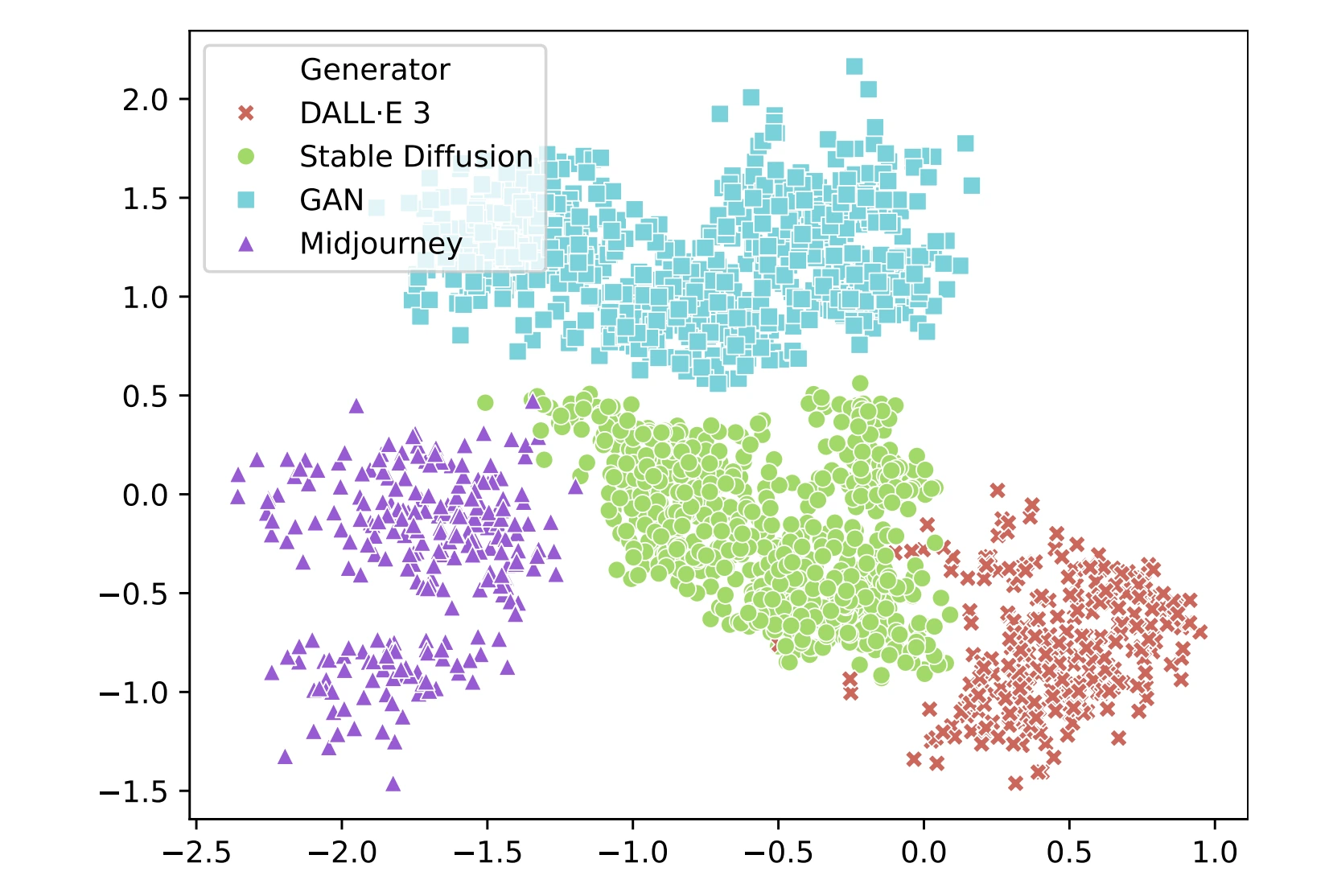
ImagiNet dataset composition
Synthetic Image Dataset 2024

ImagiNet

A 144 GB, 200K-image dataset for synthetic-image detection, balanced across photos, paintings, faces, and uncategorized imagery. It supports both real-versus-synthetic classification and generator identification across open and proprietary image generators.

PyTorch Package 2024

Gradient Cache Contrastive Learning

A PyTorch implementation of gradient caching for scaling computer-vision contrastive learning beyond GPU memory limits. It reproduces large-batch gradients from smaller chunks and supports SimCLR, SupCon, SelfCon, mixed precision, and distributed training.

PyTorch Interpretability Toolkit 2023

PyTorch Trainers & Interpretability Evaluators

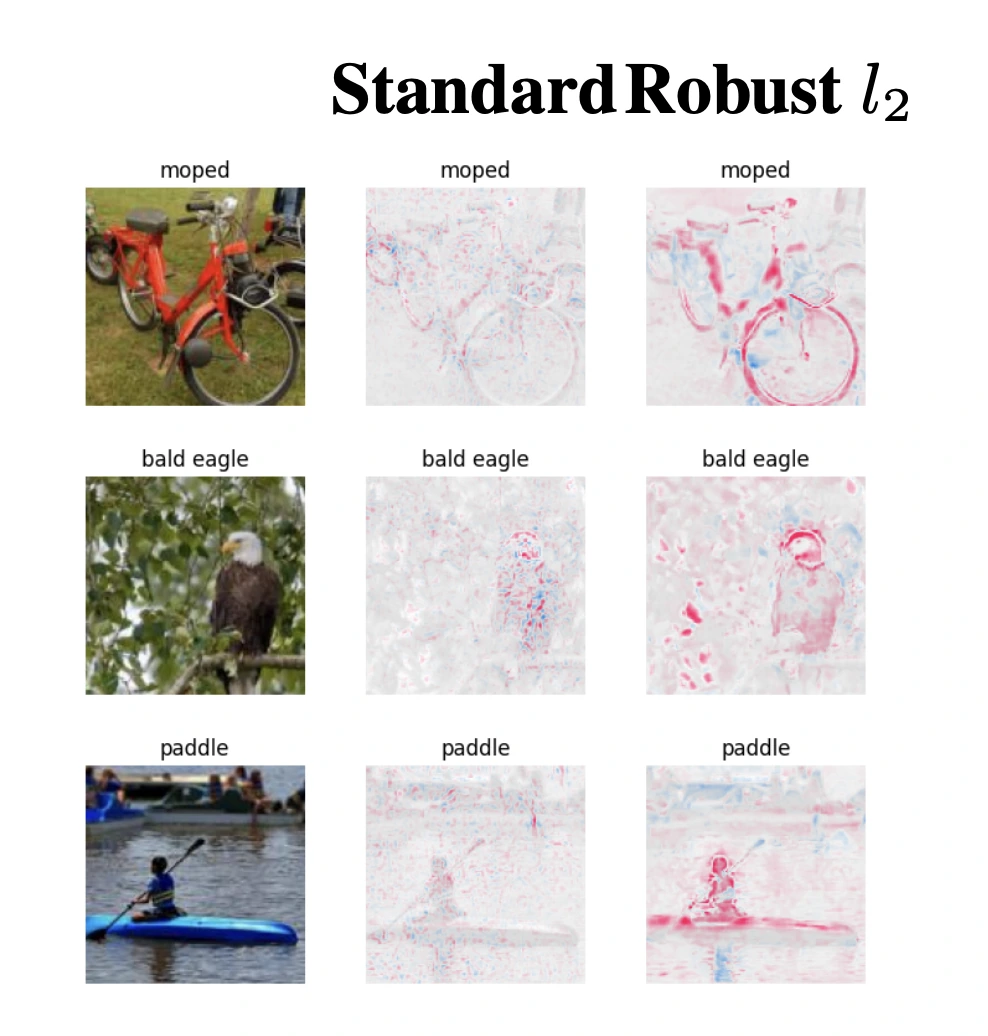
PyTorch training and evaluation tools for studying how adversarial robustness affects model interpretability, with SHAP, Integrated Gradients, representation inversion, and class-specific visualization workflows.

Education

Honors & Awards

  • Scholarship Recipient, EXPLORER Program, INSAIT (2024)
  • European Space Agency Award from EUCYS'24, Katowice, Poland
  • International Olympiad in Artificial Intelligence 2024, Team Bronze Medal
  • Regeneron ISEF'23 Finalist, Dallas, Texas
  • John Atanasoff Presidential Award in the category "Debut breakthrough in computer technology" (2023)

In the Media

Interviews & Features

News